
Selecting the best iPhone case involves more than just picking a stylish design; it’s about finding a case that offers protection, functionality, and complements your lifestyle. With numerous options available, knowing what to look for can make a significant difference in the performance and longevity of your iPhone. This article provides a comprehensive guide on what to consider when choosing the best iPhone cases, covering protection, design, functionality, and more.
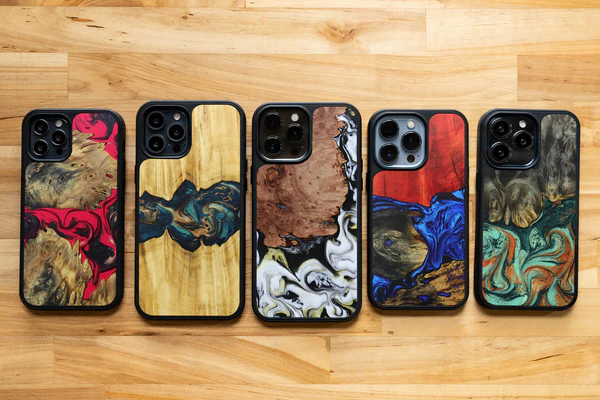
1. Protection and Durability
1.1. Material Quality
High-Quality Materials: The material of an iPhone case plays a crucial role in its protective capabilities. Common materials include silicone, leather, plastic, and
hybrid options:
Silicone: Offers good shock absorption and a comfortable grip but may attract dust.
Leather: Provides a premium feel and durability but can be more susceptible to wear over time.
Plastic: Typically more affordable and available in various finishes, but may not offer the same level of impact protection.
Hybrid: Combines materials like polycarbonate and TPU (thermoplastic polyurethane) to enhance protection while maintaining a slim profile.
Durability: The case should be designed to withstand daily wear and tear, including drops, impacts, and scratches. Reinforced corners and shock-absorbing materials enhance the case’s durability.
1.2. Impact Protection
Shock Absorption: Look for cases with features like air cushions or impact-resistant materials that can absorb and dissipate energy from drops and impacts, minimizing damage to your iPhone.
Screen and Camera Protection: Raised edges around the screen and camera lenses can help protect these vulnerable areas from scratches and direct impacts.
2. Design and Aesthetics
2.1. Style and Appearance
Variety of Designs: Choose from various designs, including minimalist, rugged, colorful, and patterned options. The case should reflect your personal style while complementing the look of your iPhone.
Color and Finish: Consider cases available in different colors and finishes. Whether you prefer a sleek matte finish or a glossy look, there should be options that suit your taste.
2.2. Slim vs. Bulkier Designs
Slim Profile: A slim case adds minimal bulk to your iPhone, maintaining its sleek design while providing basic protection. Ideal for users who prefer a lightweight and unobtrusive case.
Bulkier Designs: Bulkier cases offer enhanced protection, including extra padding and rugged features. Suitable for users who require maximum protection and are willing to trade off some of the phone’s slim profile.
3. Functionality and Usability
3.1. Ease of Access
Button Accessibility: Ensure that the case provides easy access to all buttons and ports. Well-designed cases have precise cutouts for volume buttons, the power button, and charging ports.
Touchscreen Usability: The case should not interfere with the touchscreen functionality or responsiveness. Look for cases with smooth edges and a design that allows for comfortable use of the phone’s screen.
3.2. Wireless Charging Compatibility
MagSafe and Wireless Charging: If you use a wireless charger or MagSafe accessories, choose a case compatible with these technologies. The case should allow for efficient wireless charging without needing to be removed.
Alignment with Charging Pads: For MagSafe cases, ensure that the magnets are aligned correctly to facilitate seamless charging and accessory use.
3.3. Additional Features
Card Holders and Wallets: Some cases include built-in card holders or wallets, allowing you to carry essential cards or cash along with your phone. This feature adds convenience and reduces the need to carry a separate wallet.
Kickstands and Stands: Cases with built-in stands or kickstands offer hands-free viewing for videos or video calls. Ensure that the stand is sturdy and easy to deploy.
4. Fit and Compatibility
4.1. Model-Specific Design
Exact Fit: The case should be designed specifically for your iPhone model, ensuring a perfect fit and compatibility with all features, including the camera and buttons.
Case Compatibility: Verify that the case is compatible with any other accessories you use, such as screen protectors or additional lens attachments.
4.2. Coverage Area
Full Coverage: Some cases provide full coverage, including protection for the back, sides, and edges of your iPhone. These cases offer comprehensive protection but may be bulkier.
Partial Coverage: Cases that cover only the back and sides offer less protection but may be slimmer and more stylish. Consider the level of protection you need based on your lifestyle.
5. Brand Reputation and Reviews
5.1. Reputable Brands
Quality Assurance: Opt for cases from reputable brands known for their quality and reliability. Established brands often have a track record of producing well-designed, durable cases.
Customer Support: Choose brands that offer good customer service and warranty options. This ensures that you can get assistance if you encounter any issues with your case.
5.2. User Reviews
Real-World Performance: Read user reviews to understand the real-world performance of the case. Look for feedback on aspects such as durability, fit, and overall satisfaction.
Comparisons: Compare reviews of different cases to identify common strengths and weaknesses. This can help you make an informed decision and select a case that meets your specific needs.
6. Price and Value
6.1. Cost vs. Features
Budget Considerations: iPhone cases are available at various price points. Consider your budget and weigh the cost against the features offered. Higher-priced cases may offer premium materials and additional features, while more affordable options may provide basic protection.
Value for Money: Evaluate the overall value of the case based on its durability, functionality, and design. A higher-priced case may offer better protection and additional features that justify the cost.
6.2. Long-Term Investment
Durability and Longevity: Invest in a case that offers long-term durability and protection. A well-made case may be more cost-effective in the long run, as it can protect your iPhone from damage and reduce the need for frequent replacements.
7. Conclusion
Finding the best iPhone Cases involves evaluating factors such as protection, design, functionality, fit, and brand reputation. By considering material quality, ease of use, and additional features, you can select a case that not only enhances the look of your iPhone but also provides optimal protection and functionality. Balancing these considerations with your budget and personal preferences will help you find a case that meets your needs and complements your lifestyle. Investing in a high-quality iPhone case ensures that your device remains protected and stylish, enhancing your overall smartphone experience.
